

Everton’s Property Problem: A Complicated Legacy
FAN VIEW
Has this history limited The Friedkin Group's options and flexibility?
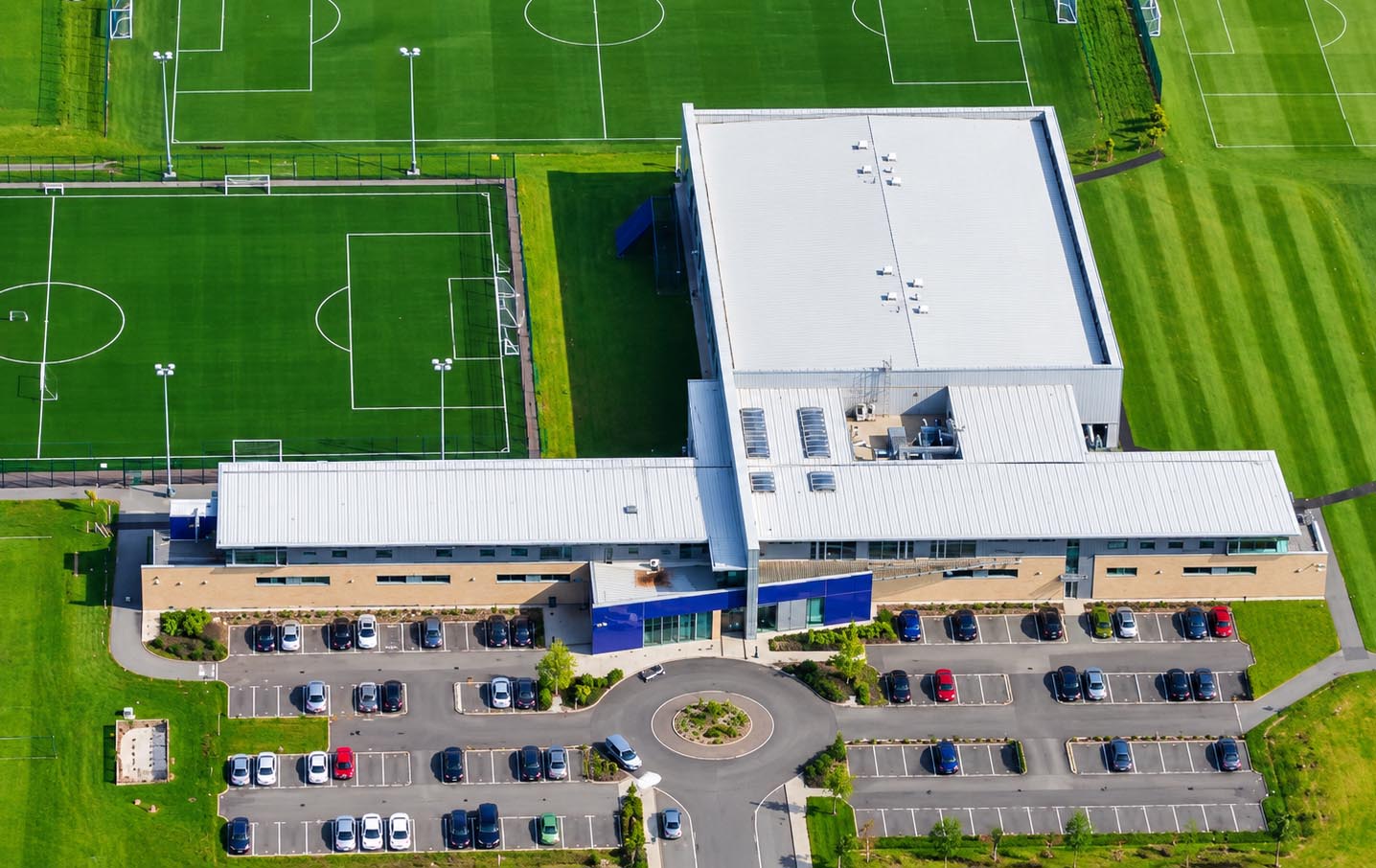
Everton’s financial troubles are usually discussed in terms of transfers, managerial changes and the new stadium. But the club’s property and financing history is another important part of the story — a long series of sales, leases and secured borrowings that left Everton with a fragmented and encumbered asset base.
Finch Farm: fragmented ownership
Everton acquired the 55-acre Finch Farm site in 2006 but almost immediately sold the freehold land to developers ROM Capital for around £2.1 million. The developer built the training complex, which opened in 2007.
The developer later went bust. In May 2013, Liverpool City Council bought the freehold from the liquidator for £12.925 million. Everton stayed on as tenant under a long lease and reportedly held periodic purchase options.
The main freehold title is MS523511, now owned by the Council. Everton holds a leasehold interest. Everton also holds separate Land Registry titles around Finch Farm, including MS509664, MS605623, MS186485 and MS616663. These are separate parcels or interests, not the main training-ground freehold. There is no evidence Everton ever bought back the Council’s freehold.
Goodison Park: ring-fenced in a subsidiary
Goodison Park is not directly owned by Everton Football Club Company Limited. In March 2002, the stadium assets were transferred to a wholly owned subsidiary, Goodison Park Stadium Limited.
The purpose was to provide security for £30 million of 25-year secured loan notes issued by another subsidiary, Everton Investments Limited. Under the securitisation agreement, Goodison Park Stadium Limited receives gate receipts and incurs the related operating costs. The stadium assets stand as security for the loan notes.
The 2010 accounts of Goodison Park Stadium Limited show net liabilities of £1,538,249, with tangible fixed assets of £5,783,208 (including freehold land of £650,000). The parent company itself owns almost no property directly. In 2011, after the Bellefield sale, its own freehold properties had a net book value of only £22,000. The stadium sits inside the subsidiary, ring-fenced from the club’s general creditors.
Everton Investments Limited: the financing vehicle
Everton Investments Limited (company number 04349739) is a wholly owned subsidiary that acts as a financing vehicle for group activities. In 2002 it issued £30 million of 25-year secured loan notes, serviced by future ticket sales. The 2010 accounts showed net liabilities of £19,004 and loan notes of £25,224,198.
The most recent accounts, for the year ended 30 June 2025, show a very different picture:
- Profit for the year: £nil (2024: £nil).
- Net assets: £2 (2024: net liabilities £36,504).
- Debtors: £4,305,267 — amounts owed by a fellow subsidiary.
- Creditors due within one year: £4,305,265 — amounts owed to parent.
- Net intercompany position: £2.
The filing does not mention “loan notes” specifically. The gross intercompany balances remain, but they are almost fully offset, leaving only £2 net. On the face of it, the earlier loan note liability is no longer separately disclosed — suggesting it has been settled or restructured.
Other points from the 2025 filing:
- Other reserves of £36,506 relate to a capital contribution.
- The company has no employees other than the directors, and directors received no emoluments.
- Auditor’s fee for the audit: £1,050 (2024: £nil).
- Amounts owed by group undertakings are unsecured, interest-free and repayable on demand.
- Ultimate controlling party: Roundhouse Capital Holdings Limited (company number 15992615).
- Parent undertaking: Everton Football Club Company Limited (company number 36624).
- Going concern basis adopted; the independent auditor’s report (Crowe U.K. LLP) gives a true and fair view.
- The filing is labelled “unaudited financial statements” but includes an independent auditor’s report — an inconsistency in the document title.
Bellefield: sold to repay a working capital loan
Bellefield, the former training ground, was sold in December 2010 for £9.3 million. Everton’s 2011 accounts confirm a profit on disposal of £8.425 million.
The critical question is where the money went. The 2010 accounts of both Goodison Park Stadium Limited and Everton Investments Limited provide a direct answer:
The sale of Bellefield was subsequently completed, and proceeds received, in December 2010. The majority of the proceeds from the sale of Bellefield were used to repay the previous working capital loan facility.
So the money did not fund a new stadium, a new training ground, or any lasting asset. It repaid a working capital loan. It was a short-term fix, not a long-term investment.
Charges over Everton’s titles
Everton later used its separate Finch Farm titles as security for borrowing. A Companies House filing in November 2021 shows a charge in favour of Rights and Media Funding (RMF) over MS509664, MS186485 and MS616663.
Those charges have now been satisfied. When The Friedkin Group (TFG) took over in December 2024, it paid off the RMF debt — an early step to stabilise the finances and release assets from lender security. The underlying ownership fragmentation, however, remains.
Moshiri, the stadium and PSR
Moshiri inherited many of these arrangements in 2016. His ownership coincided with the Bramley-Moore Dock project, which consumed hundreds of millions. The stadium became both Everton’s greatest potential asset and a major financial burden.
Everton’s financial deterioration led to breaches of the Premier League’s Profit and Sustainability Rules. The club was found to have an adjusted loss of £124.5 million for the period ending 2021-22, against a £105 million threshold. Property transactions did not cause the PSR breaches, but stadium financing and accounting became directly relevant to the dispute.
Where the money went: wages, amortisation and executive pay
While Moshiri owned the club, Bill Kenwright remained chairman until 2023 and was effectively running it day to day. The largest driver of losses was remuneration and player costs.
- 2011: Staff costs were £58.0 million, with wages-to-turnover at 71%.
- 2018: Staff costs had risen to £145.5 million, with wages-to-turnover at 77%.
Player wages made up the bulk. Player amortisation (the write-down of transfer fees) added another £66.9 million in 2018. Directors’ emoluments grew to £2.455 million by 2018, with the highest-paid director on £917,000.
Losses were compounded by debt interest, exceptional costs and the stadium project. The pattern was clear: player wages and amortisation were out of control relative to revenue, and the board oversaw a culture of high spending without corresponding revenue growth.
Infrastructure beyond the stadium
The stadium consumed most available capital. Finch Farm remained leased from the Council, so the club could not develop or borrow against it easily. Goodison Park was maintained rather than transformed. Community projects relied heavily on external funding. PSR allows deductions for infrastructure, youth development and community spending, so the rules did not block investment — but cash did.
What the legacy means for TFG’s options
TFG has already moved to stabilise the finances — repaying Rights and Media Funding and releasing charges over several Finch Farm titles was a significant first step. But the group remains constrained by the legacy of past management. Cash is tight, PSR still binds, and the property structure is fragmented. The stadium is the priority, but TFG cannot simply start fresh.
Beyond the stadium, its options are limited:
- Finch Farm: negotiate to buy the Council’s freehold, extend the lease, or consolidate Everton’s separate titles — but each option costs money or leaves the club as a tenant.
- Goodison Park: once vacated, redevelop, sell, or use for community purposes — but that requires capital and council involvement.
- Other infrastructure: the academy and training ground have been underinvested. PSR exempts these areas, so TFG has an incentive to improve them when cash allows.
- Squad and wages: the wage bill must come down relative to revenue. TFG cannot repeat the Moshiri-era spending.
- Stadium financing: likely refinancing, minority investment, or naming rights. Mortgaging the new stadium adds debt and reduces future flexibility.
- Commercial growth: the new stadium is the key. Naming rights, concerts and premium seating can transform revenue.
TFG’s best route is to audit the property structure, protect core assets, simplify where possible, and grow revenue. But it is working from a position of ownership without full financial flexibility. TFG has inherited the responsibility for the club’s future, and the consequences of the decisions that made that future harder to secure.
-
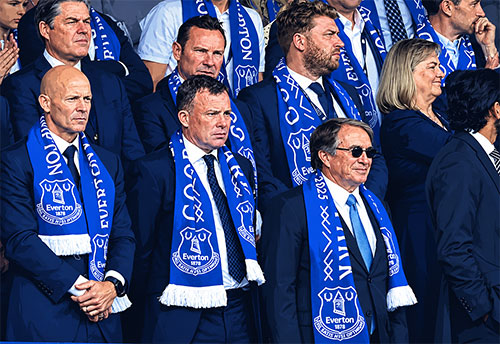
Same Old Story
Only Everton could turn a window with a supposed plan into a fresh installment of the same old farce of kicking the can down the road. We were supposed to be past this. -
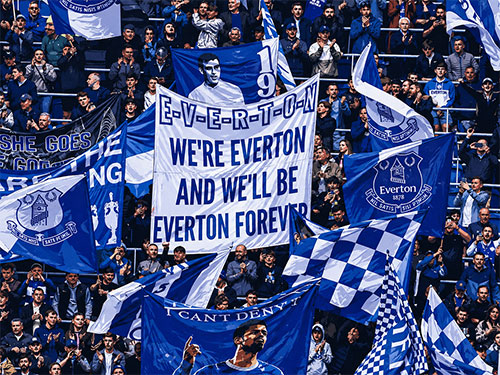
“I Want Everything Louder than Everything Else”
Who represents today's Everton? We have to find a catalyst. Somebody who will breathe life into the club from within. Somebody to reassure us that the club's heart is still beating -
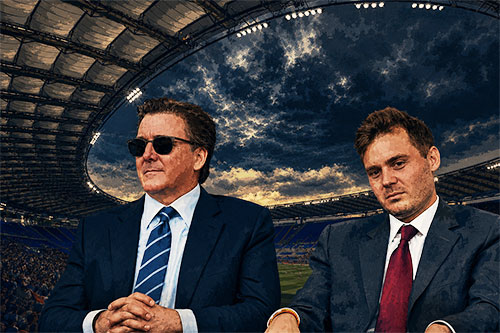
Roma – Lessons for Everton Fans?
This summer has been a setback for Everton. TFG tried to do things too cheaply and it’s hurt the squad. But Roma’s journey shows they do correct course.
Reader Responses
Selected thoughts from readersEither no responses have been submitted so far to this article or previous submissions are being assessed for inclusion.
Add Your Thoughts
Only registered users of Evertonia can participate in discussions.
Or Join as Evertonia Member — it takes just a few minutes and will allow you to post your thoughts on artices across the site.